Garage epoxy floors.
A better finish.
Professional concrete preparation, epoxy, decorative flake, and a protective polyaspartic clear finish for your garage.
A better finish underfoot.
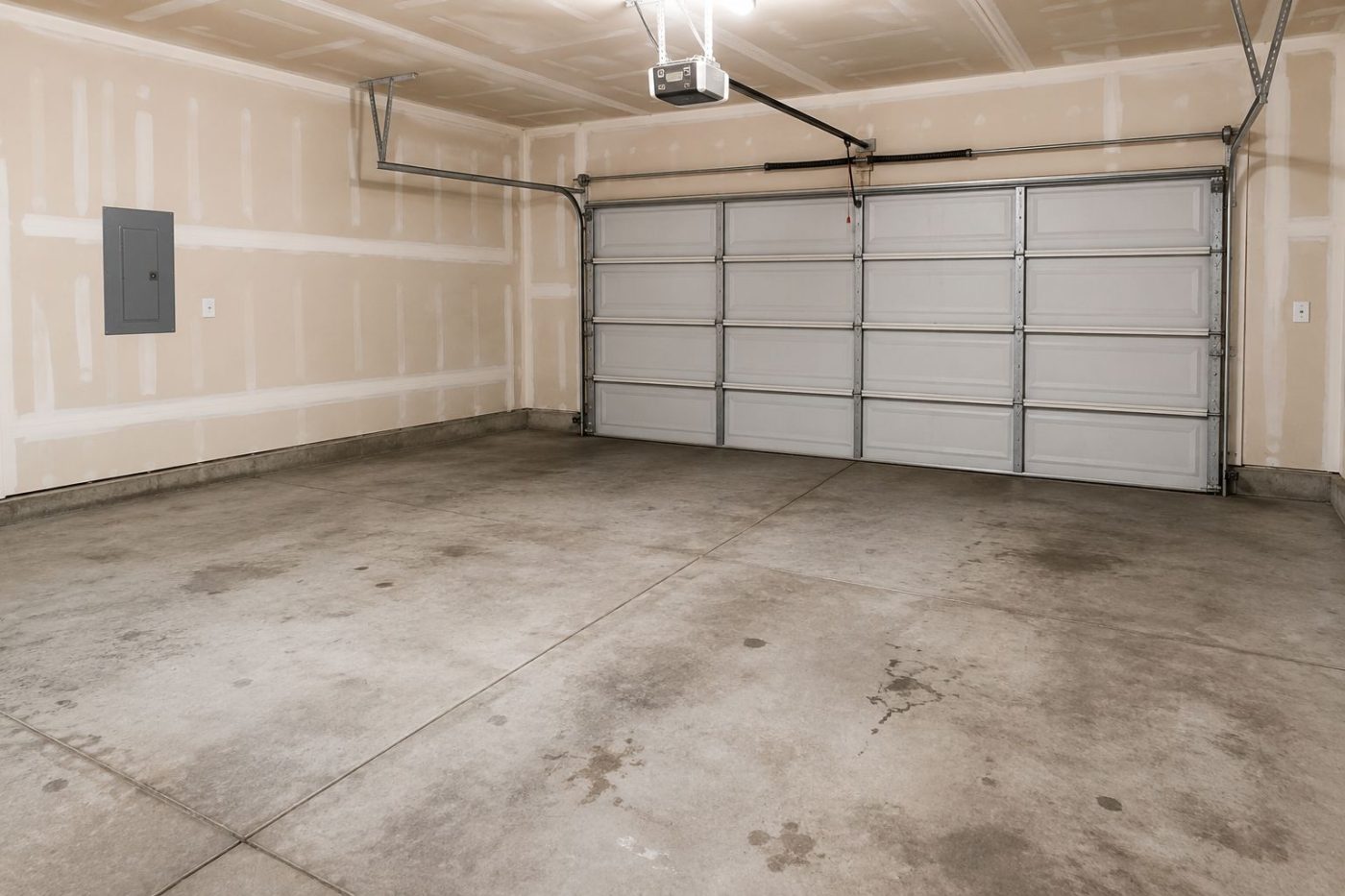
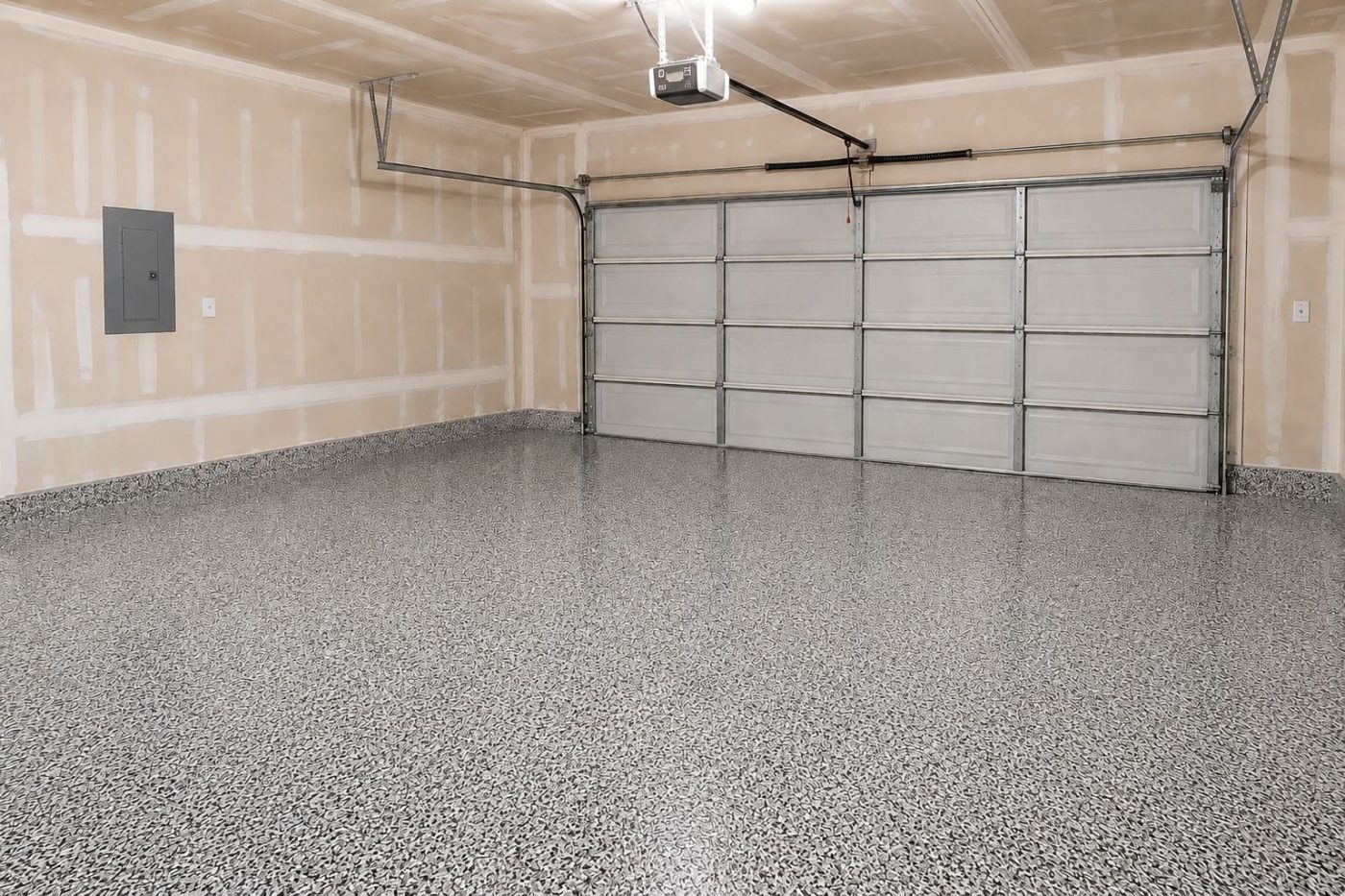
Prepared with care.
Planned for your property.
A lasting floor depends on the condition beneath it. Preparation, moisture conditions, repairs, and curing requirements are addressed as part of the project, with the specific system defined in your proposal.
- Concrete assessment and moisture testing
- Mechanical surface preparation
- Agreed crack and surface repairs
- Epoxy, decorative flake and polyaspartic topcoat
- Assess the concrete and test moisture conditions.
- Prepare the slab and complete the agreed repairs.
- Install the specified coating system and provide return-to-use guidance.
Preparation, process
and practical answers.
What goes into a garage epoxy floor?
The planned system includes concrete assessment, moisture testing, mechanical preparation, agreed repairs, epoxy, decorative flake, and a protective clear topcoat. Curing and return-to-use instructions depend on the system and site conditions.
Do you install epoxy coatings for commercial properties and other concrete areas?
Yes. In addition to garages, we evaluate workshops, warehouses, retail spaces, offices, showrooms, patios, pool decks, and other concrete areas. Suitability, moisture, exposure, use, and the coating system must be assessed for each project.
Why are moisture testing and mechanical preparation important?
A slab can look dry while moisture is moving through it. Testing helps identify concerns, while mechanical preparation creates the surface profile needed by the selected system. Contamination, cracks, and moisture conditions must be addressed before coating.
When can I walk or park on a new epoxy floor?
Follow the return-to-service instructions for your installed system. Walking, moving heavy items, and parking may have different waiting periods. The products, temperature, humidity, ventilation, and site conditions determine the schedule.